On March 22, 2019, the DeepTech 2019 Life Science Forum was officially held in Shanghai, China, where scientists, investors and entrepreneurs from the biomedical field gathered to discuss in depth the scientific research innovation, technological revolution and future trends in the life science field. Flagship
Jason Pontin, senior partner of Pioneer, Wang Liqun, president of Fosun Kaite Biotechnology Co., Ltd., Lou Qi, deputy chief economist of Zhangjiang Group and general manager of Zhangjiang Biomedical Base, Wei Wensheng, researcher of Peking University Institute of Life Sciences, and Wang Yanli, researcher of Institute of Biophysics, Chinese Academy of Sciences, shared their exclusive views on emerging technology trends.
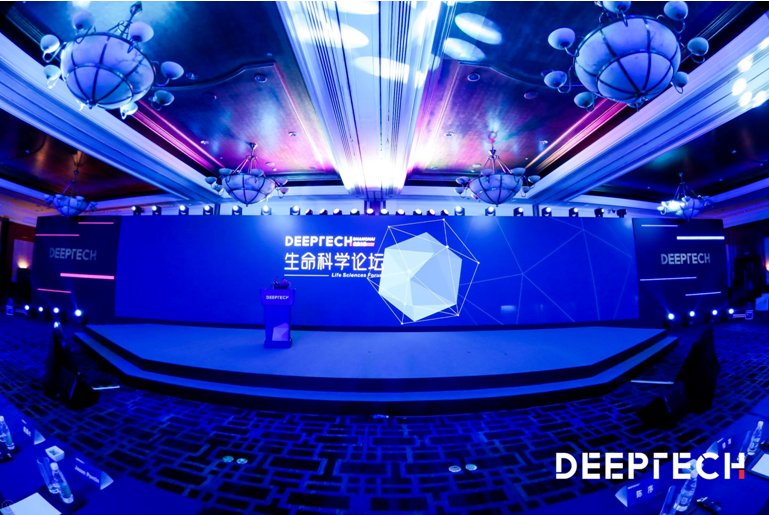
Figure | DeepTech 2019 Life Science Forum (Source: DeepTech)
21
The 21st century is the century of life science. In recent years, the development speed of biotechnology has passed a critical point of innovation, and more and more revolutionary technological breakthroughs have emerged in the field of life science. The world we live in and the life around us are also undergoing revolutionary changes.
We believe that the field of life sciences will enter a new era in 2019. In 2019, including CRISPR
Including gene editing, cutting-edge biotechnology such as synthetic biology technology and single-cell omics technology will continue to make revolutionary breakthroughs, and further change the rules of the game in the field of life science, and also change the world we live in.
The global market in life sciences and medical health is growing. As early as 2014, China surpassed Japan to become the second largest biomedical market in the world. In 2017, the market size of China’s biomedical industry has reached 341.719 billion yuan. It is predicted that by 2020, the market size of China’s biomedical industry will be twice that of Japan, and it will surpass the United States to become the first in the world.
Now, the biomedical market in China is welcoming the "golden age", and more and more emerging technology enterprises are born in China, attracting more and more innovative talents. The booming biomedical industry in China is forming a field that attracts thousands of people’s attention.
DeepTech, China’s leading provider of emerging technology content and hard technology services.
In this forum, the "Top Ten Technical Trends in Life Sciences in 2019" was released, and technical trends such as CRISPR Toolkit, immunotherapy 2.0 and curing rare diseases, which have attracted much attention in life sciences, were selected.
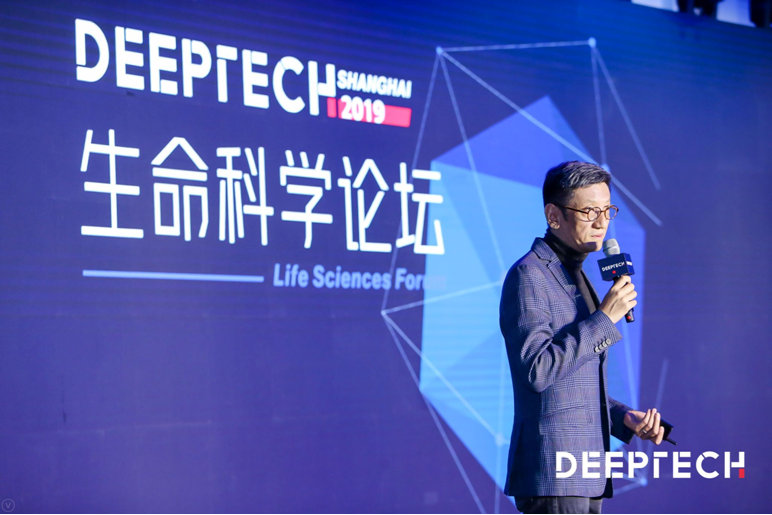
Figure | Chen Xu, co-founder of DeepTech (source DeepTech)
Ten technical trends in life sciences in 2019:
1.CRISPR toolkit (CRISPR/Cas Toolkit)
More than 30 years ago, scientists found short palindrome repeats in bacteria at regular intervals, and found that such repeats can make bacteria immune to viruses. In 2001, Spanish scientist Francisco
Mojica officially named it CRISPR. In 2012, two female scientists, Jennifer Dudner, a structural biologist from the University of California, Berkeley,
Doudna) and Emmanuelle Elca Pontier of Umemo University in Sweden.
Charpentier) first applied CRISPR/Cas as a gene editing system. In 2013, George from Harvard Medical School
Church, Feng Zhang of the Bode Institute of Massachusetts Institute of Technology, and Xie Lei of the Center for Systems and Synthetic Biology of the University of California, San Francisco (currently working at Stanford University) published three articles respectively, and successfully applied CRISPR/Cas system to mammalian cells.
The appearance of CRISPR/Cas9 has led to the explosive development of the whole field of gene editing. Nowadays, many scientists have further expanded CRISPR/Cas gene technology from a single "gene scissors" to a multifunctional "gene toolkit", showing an exciting application prospect based on the ever-expanding CRISPR/Cas system. Scientists predict that CRISPR/Cas9 gene editing technology will change the society in which we live and the creatures around us.
2.immunotherapy 2.0(Immunotherapy 2.0)
More than 100 years ago, William, an orthopedic surgeon in new york, USA
Coley accidentally discovered that the infection of streptococcus pyogenes after operation made the tumor of sarcoma patients subside, which opened the prelude of tumor immunotherapy, and William was therefore known as the father of tumor immunotherapy.
In 2018, the highly anticipated Nobel Prize in Physiology or Medicine was awarded to American scientist James P. Allison and Japanese scientist Tasuku.
Honjo, they have made pioneering contributions to cancer immunotherapy. Nowadays, there are hundreds of companies that carry out cancer immunotherapy in the world, and more than a dozen immunotherapy products in China have applied for clinical trials. The related research results are frequently reported, and they are steadily moving towards the ultimate goal of curing cancer.
With the continuous breakthrough of basic and clinical research, our understanding of immunotherapy is also deepening, and the indications of immunotherapy are also expanding. From the initial main position of leukemia, to non-Hodgkin’s lymphoma, multiple myeloma, and then to autoimmune diseases, immunotherapy has entered a more accurate, joint and broad-spectrum 2.0 era.
3. Cure of Rare Diseases
Under the condition of no error or off-target effect, it is expected to produce predictable beneficial effects by modifying mutant genes through gene editing technology, and even realize a one-time cure of some genetic diseases. Looking back on the development of gene therapy in the past 20 years, it was not until recent years that we really ushered in the era of gene therapy and saw the hope of curing rare diseases at one time.
Gene therapy (gene
As a subversive medical technology, therapy has realized that foreign normal genes can be introduced into target cells to correct or compensate diseases caused by defects and abnormal genes, thus achieving the purpose of treating congenital genetic diseases. Today, there are more than 2,500 clinical trials of gene therapy in the world, and gene therapy has become a battleground for global pharmaceutical R&D enterprises.
In mid-2018, the US FDA announced that it would continue to vigorously promote the development of gene therapy, and issued six new guidelines, which established a policy framework for how to develop gene products, review and reimbursement by regulatory agencies. At the same time, it also points out the hot fields of human gene therapy, including hemophilia, retinal diseases and rare diseases.
In 2019, the treatment of a variety of rare diseases will enter the clinic, and gene therapy will officially enter the stage of rapid development after nearly 20 years. More and more small and medium-sized gene therapy startups have broken ground, and traditional pharmaceutical giants such as Pfizer, Novartis and GlaxoSmithKline have also laid out the field of gene therapy. In China, some start-ups involved in gene editing and some gene therapy projects are expected to enter the clinical stage in 2019.
4. Gene Big Data
On April 15th, 2003, an international team of scientists from six countries announced the completion of the human genome map. This cost 3 billion dollars, and it is known as the "moon landing plan" of life science.
Our research project has laid a solid foundation for human beings to uncover their own mysteries. The drawing of the human genome map has become an important milestone in the history of human exploration of its own mysteries, and it is also considered by many analysts as a sign of the advent of the biotechnology century.
Only after more than ten years, with the development and maturity of technology, the cost of sequencing the whole genome has dropped from 30.
Billion dollars, gradually reduced to hundreds of thousands of dollars, thousands of dollars or even lower, there are also many consumer-oriented genetic testing products on the market. In addition to the well-known applications such as non-invasive prenatal genetic testing and neonatal genetic disease screening, individual genetic testing can also lock in individual pathological genes to achieve early prevention and treatment.
Through the genetic detection of individuals, we can realize the prediction of many diseases and even provide more profound insights into individual behavior characteristics. For example, in individual genetic testing products, DNA of individual samples is analyzed.
The analysis of data can interpret the risks of cancer, metabolic diseases, mental illness, etc., and can also interpret the information of individual drug adaptability, sports talent, alcohol consumption and so on. As millions or even tens of millions of individuals around the world have completed the interpretation and analysis of personal genome data, there have been some based on.
Emerging technologies with more striking DNA information, such as DNA criminal investigation and new drug prediction, have made revolutionary progress in these fields. We have also ushered in a revolutionary era brought by DNA data.
5. Nucleic Acid Drugs
In the field of new drug research and development, targeted therapy for target protein has become the mainstream, and gene therapy for DNA mutation is also in full swing. As a bridge between gene and protein, mRNA.
More and more attention has been paid in recent years. In addition, scientists also found that there is a unique gene silencing mechanism in eukaryotic cells, which can resist the invasion of foreign substances, protect the stability of genetic information, and regulate various functions of organisms, also known as
RNA interference (RNAi) phenomenon.
The RNAi mechanism was first discovered by Professor Andrew Z.Fire and Professor Craig C.Mello in 1998, and was recognized by Science in 2002.
The magazine ranked first among the top ten scientific achievements and won the Nobel Prize in Physiology or Medicine in 2006. The discovery of RNAi has greatly broadened the source and development direction of human drugs. Today, with
Oligonucleotide drugs based on siRNA (small interfering RNA) and miRNA (microRNA), and mRNA therapeutic drugs, mRNA vaccines and CRISPR RNA.
Mainly ribonucleic acid drugs, together constitute the nucleic acid drugs.
A large number of studies show that nucleic acids and their degradation products and derivatives have good therapeutic effects, and we are also welcoming a new era of mRNA drugs and RNAi drugs. In theory, nucleic acid drugs can achieve irreplaceable effects of traditional drugs. Like small molecular drugs, they can play a role in cells, even affect the nucleus and have precise targeting. They are also very advantageous for some single-gene disease nucleic acid drugs. In the era of global precision medicine, diseases caused by different gene differences or abnormal expression can theoretically be individually developed by nucleic acid drugs.
6. Brain science and brain-computer interface.
Brain science is the "ultimate territory" for human beings to understand natural phenomena and human beings themselves, and brain science research is also called "the ultimate challenge for human beings to understand nature and themselves". In recent years, countries all over the world have launched their own "brain plans", and their goals can be summarized as follows: (1) analysis of the neural basis of various brain functions; Using the new information obtained from neural circuit research, develop new methods for effective diagnosis and treatment of brain diseases; Carry out brain-like research inspired by brain science and promote the progress of a new generation of artificial intelligence technology.
With the emergence of new technologies such as brain imaging, biosensing, human-computer interaction and big data, brain science and brain-like research are increasingly becoming one of the key scientific fields that countries around the world are scrambling to study. Under the impetus of "Brain Project", some exciting applications are expected to appear in the field of "brain science", including brain like computing system, brain-computer interface and a new model of brain-computer fusion, and it is expected to promote the development of brain disease diagnosis and treatment, artificial intelligence and other fields.
7. Smart Medical Care
In the future, the medical industry will integrate more artificial intelligence, sensing technology and other high technologies, so that medical services will move towards real intelligence and promote the prosperity and development of medical undertakings. Artificial intelligence has played an important role in the medical field, such as medical image recognition, biotechnology, auxiliary diagnosis, drug research and development, nutrition and other fields, and will change medical methods and even medical models.
By 2025, the total value of the world artificial intelligence market will reach 1270.
Among them, the medical industry will account for 1/5 of the market size, and medical AI will become one of the most important application scenarios of artificial intelligence. On the other hand, data, as an important support of artificial intelligence, has become the key content of smart medical construction and development. The emergence of a new generation of communication technology and the development of Internet of Things chip technology have also promoted the great commercialization of mobile medical equipment, especially all kinds of intelligent devices, sensors and other medical and health equipment, which mainly monitor health such as exercise, heart rhythm and sleep.
8. Non-Invasive Early Diagnosis.
In recent years, in the direction of tumor diagnosis, with the continuous development of genome sequencing technology, tumors are circulated in peripheral blood.
Liquid biopsy with DNA(ctDNA) as the main marker has become the most potential technique for early accurate diagnosis of tumors.
Liquid biopsy based on gene imaging and sequencing methods can identify and monitor tumors in the early stage, artificial intelligence and the application of gene big data. Combined with liquid biopsy, it provides an effective early screening method for most cancers and provides clues for early diagnosis of cancer, accurate determination of cancer types, prediction of cancer spread and prognosis management.
9. Synthetic Biology Technology.
In essence, a computer is a machine that can process information through certain algorithms. The more powerful the computer circuit, the more complex calculations and algorithms can be carried out. Similarly, cells can be transformed by genetic engineering like a mini-computer. The more complex the circuit, the stronger the computing power.
As the third biotechnology revolution, synthetic biology, which was born in the early 21st century, has brought subversive changes to human social life. Artificially designed cells will be able to deliver drugs to patients regularly in vivo; The sex of silkworm, mosquito and other insects can be controlled by genetic design; Gene editing can double the speed of breeding … These are magical changes brought by synthetic biology.
In recent years, with the continuous innovation of genome editing technology such as CRISPR, as well as the equally rapid development of big data, artificial intelligence and robotics, the prospect of synthetic biology has become more and more clear, and the industrialization of synthetic biology has ushered in an explosive period.
10. Single-cell Multiomics.
Cells are the basic units that constitute the structure and function of life. Different types of cells have different shapes and functions. Even if the cells of the same kind seem to be the same, there are extensive cell heterogeneity among them. The early average data obtained based on population cell analysis often ignored the differences among cells.
With the development of cell separation and next-generation sequencing, researchers can study DNA, RNA, protein and chromatin of a single cell. Scientists have begun to combine multi-layer information with single-cell resolution to reveal single-cell genome, transcriptome, methylation, protein omics and other data.
In 2009, the first single-cell transcriptome sequencing technology appeared; Single cell genome sequencing technology appeared in 2011; In 2013, single cell genome-wide DNA methylation detection technology appeared. Subsequently, scientists continued to optimize and improve cell sorting technology, nucleic acid amplification technology, signal-to-noise ratio improvement, etc., and further created sequencing and analysis technologies at different levels of single-cell omics.
Single-cell omics technology allows us to identify specific cells and their functions more clearly, and can provide unprecedented clinical and scientific research data, helping scientists to understand the physiological and pathological mechanisms of organisms more accurately and deeply, such as the differentiation of stem cells, the development of nerve cells, the pathological mechanism of cancer cells, the function of immune cells, etc., and provides guidance for the formulation of individualized precision medical programs.
Jason Pontin, senior partner of Flagship Pioneering, explained the top ten technology trends one by one.
Mr. Jason Pontin is currently a famous biomedical venture capital firm in Boston, Flagship Pioneer.
Senior partner, mainly responsible for the company’s strategic communication and the construction of enterprise entrepreneurship ecosystem. He is also a famous American opinion leader in science and technology. Mr. Jason Pontin from 2005 to 2017
Years in the MIT Technology Review (MIT Technology
Review) as CEO, publisher and editor-in-chief, responsible for the editing direction, media platform and business strategy of MIT Science and Technology Review. In addition, he has written for many famous American and global media, including The Economist, Financial Times and Wired in The New York Times.
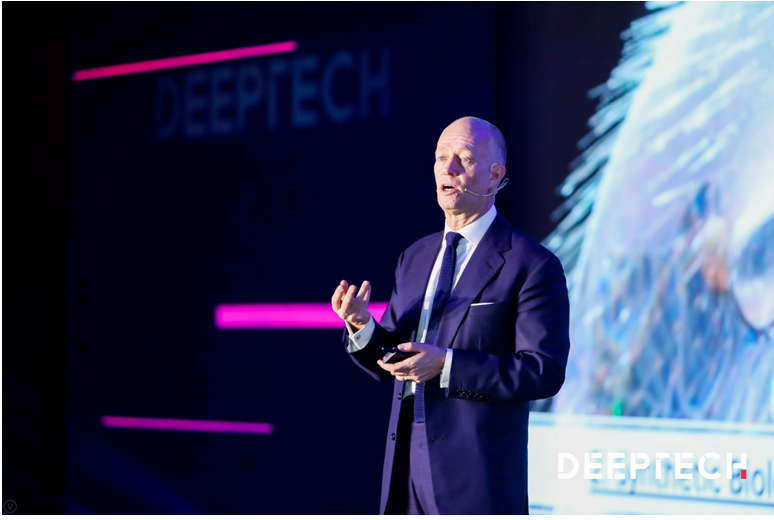
Figure | Jason Pontin, Senior Partner of Flagship Pioneering (Source: DeepTech)
Jason Pontin introduced 11 kinds of technology trends that he is concerned about, the first of which is CRISPR. Jason
Pontin thinks that CRISPR is like a gift from heaven, full of sci-fi significance, but at present, we can’t master this technology, and it may be another 40 years before we can know the secret and core of CRISPR. Jason also expressed his views on the previously concerned baby event of gene editing. He thinks that people pay too much attention to the baby of gene editing of CRISPR. At present, it is uncertain about the consequences that knocking out CCR5 gene will bring to human body, but he believes that with the passage of time, there will be a relatively reasonable framework and policies.
Jason
Pontin also put forward a new direction of gene editing, that is, combining stem cells with gene editing, for example, inducing easily obtained somatic cells back to differentiated stem cells, which is safer and more controllable and has great potential in clinic.
Meanwhile, at DeepTech,
At the 2019 Life Science Forum, Zhao Ruilin, a partner of Chende Capital, shared possible hot spots in biomedical investment in the next three to five years. Zhao Ruilin believes that the application of AI+ big data, early cancer screening, gene therapy, consumer-oriented gene sequencing and surgical robots will become hot spots for investment in the next three to five years.
At the same time, Zhao Ruilin also pointed out that several medical big data companies can not succeed in a day or two. The capital market is also a test of who can get to the end. Everyone sees the prospect of big data applications, but how can we get to the end? How can we get to the day when gold is dug up? This is something that everyone should consider. For early screening of cancer, Zhao Ruilin believes that the fundamental principle of imaging technologies such as MRI and CT is that I want to see cancer. And what is cancer early screening instead of imaging technology? In the future, when molecular diagnosis is really powerful, when there are no image markers, we can already detect cancer. Of course, this is a vision, and we have to achieve this goal.
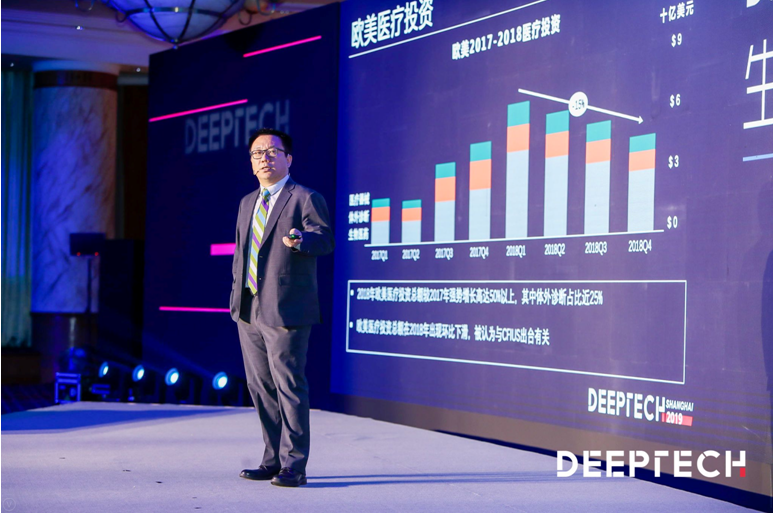
Figure | Zhao Ruilin, Partner of Chende Capital (Source: DeepTech)
Wang Liqun, president of Fosun Kaite Biotechnology Co., Ltd., delivered a speech at the meeting. He said that China still faces many challenges in the industrialization of CAR-T therapy. We don’t have to worry about being too far behind foreign countries, but don’t blindly think that we are the first.
Dr. Wang Liqun said that we still have a lot to improve in terms of technology, quality, time, production capacity and cost. For example, whether the technology can be better, whether the cost can be lower, how to overcome these tumors and microenvironment, including the inhibition of solid tumors to make another product, and commercial applications, there are many things to be explored and tried, but in the end we have to return to our original intention, and how to really use a good product to treat our patients.
At the same time, he also mentioned that many media said that China is the world’s number one in CAR-T, and in clinical research, our clinical data is more than that of the United States, which is a wrong concept. Clinical trials in the United States are supervised clinical trials, while most of the data reported in China are not supervised, which is quite different. We can’t be so hot-headed that we think that CAR-T is the first because we have done more clinical projects. Dr. Wang Liqun said that he hoped that China could attach importance to the supervision of CAR-T as a drug, which was beneficial to the development of the whole industry. CAR-T is revolutionary as a means of tumor treatment. Everyone is at the same starting line. We don’t have to worry about being too far behind foreign countries, but don’t blindly think that we are the first.
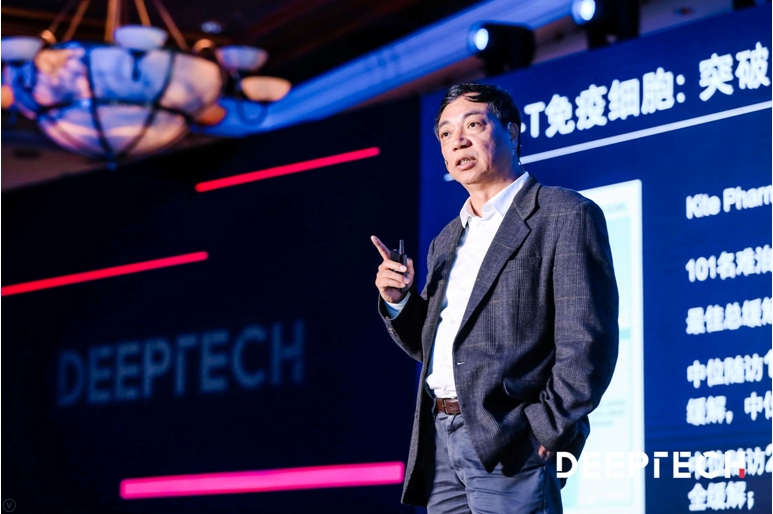
Figure | Wang Liqun, President of Fosun Kate Biotechnology Co., Ltd. (Source: DeepTech)
In the afternoon round-table discussion, Yang Fang, a partner of PricewaterhouseCoopers Capital Markets, answered the question of how to treat medical data sharing. She believed that the future was bright and the process was painful. China is a big country of medical data, but the systems used in each hospital are not necessarily the same, and the data structures are also different. It takes a lot of time and energy to make these unified structured data. But the final prospect is definitely bright, but it will take a lot of time and energy before reaching that line.
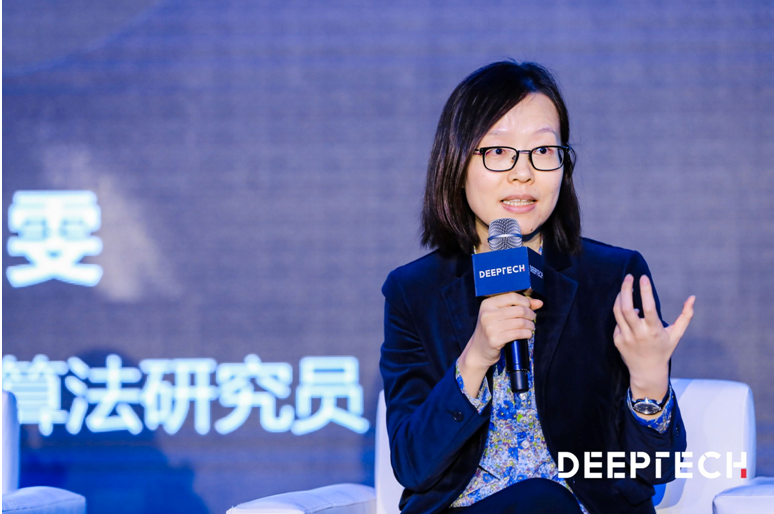
Figure | Yang Fang, Partner of PricewaterhouseCoopers Capital Markets (Source: DeepTech)
The forum also announced ten "DeepTech 2019 Innovative People in Life Sciences".
Chen Xu, co-founder of DeepTech, said that this DeepTech
The selection of 2019 innovators focuses on the key contributions and achievements made by these ten scientists and entrepreneurs in the future subversive and transformative technology hotspot trends in the life sciences.
Chen Xu said that this list should highlight not only the achievements of scientists and entrepreneurs, DeeTech.
It is also hoped that through the presentation of innovative figures, the possible path of future development in the field of life sciences can be described more vividly and located more accurately.
Cong Le, a young scientist who brought CRISPR gene editing technology to the human gene world, cut CRISPR/Cas for the first time.
The system was upgraded to the gene editor "Swiss Army Knife" CRISPR-dCas.
Lei Lei, an associate professor of bioengineering at Stanford University, and Shao Yangyang, a postdoctoral fellow at the Institute of Plant Physiology and Ecology, Shanghai Institute of Life Sciences, Chinese Academy of Sciences, who created the world’s first single chromosome eukaryotic cell, won this award. The ten winners were respectively
Ten technical trends in life sciences in 2019 shared their views, and Shao Yangyang, Wang Yanli and others also shared the innovation achievements in their respective fields at the forum.
From gene magic scissors, gene erasers edited by single base to today’s "Swiss Army Knife", the field of gene editing has been transformed and turned upside down in recent years. For one of the top ten technical trends in the field of life sciences in 2019,
CRISPR Toolkit, according to Qi Lei, "In CRISPR based on bacterial sources.
In the gene editing system, we acquire and enrich this toolkit by enhancing the function and activity of the corresponding proteins, and realize safer and more effective gene regulation. The appearance of these tools not only provides a brand-new scheme for future genetic engineering and treatment, but also provides a powerful tool for the comprehensive study of genes and their importance in life. We are very much looking forward to it.
CRISPR toolkit can continuously create miracles in both research tools and therapeutic applications for the benefit of mankind. "
The creation of the world’s first eukaryotic cell containing only a single chromosome marks a milestone in China’s synthetic biology! As the implementer of this great achievement, Dr. Shao Yangyang mentioned in his keynote speech that the three-dimensional structure of yeast cells’ sixteen chromosomes has changed dramatically after they were merged into one, but the transcription group and phenotype group of cells have not changed much, which subverts the traditional idea that the three-dimensional structure of chromosomes affects gene expression. This is also the first time to explore the relationship between the evolution of higher organisms and the structure and function of chromosomes through synthetic biology. Moreover, a series of yeasts with decreasing chromosome numbers constructed in the process of gradually merging sixteen chromosomes into one are undoubtedly valuable materials for studying telomere-related aging and cancer.
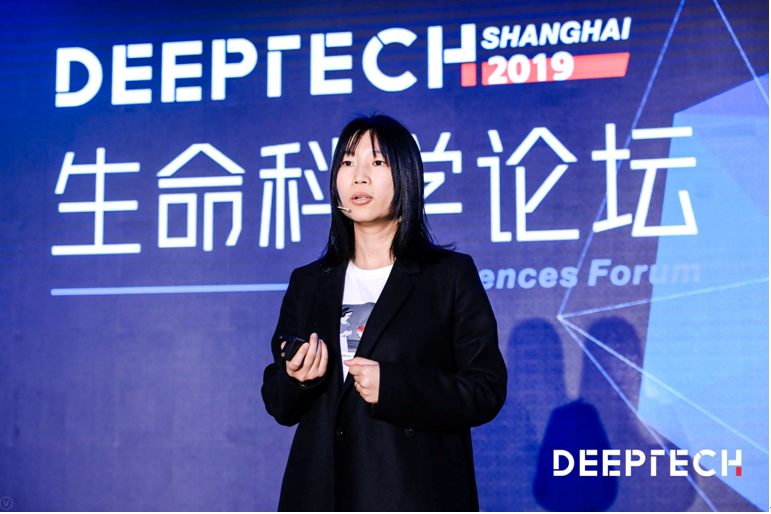
Figure | Dr. Shao Yangyang (Source: DeepTech)
Kong Lingjie, an associate professor of precision instruments in Tsinghua University, analyzed brain science in his keynote speech. He said that brain science still faces many challenges at present. In the field of cerebral cortex, it is urgent to upgrade the existing imaging technology and pursue a wider, deeper and faster imaging technology. Kong Lingjie team developed deep tissue imaging technology and three-dimensional high-speed microscopic imaging technology, and recently cooperated with Academician Dai Qionghai of Tsinghua University to realize large-scale, high-resolution and real-time dynamic imaging. By applying the new technical means to science, we can observe the neural activity in a specific behavior pattern, infer the functional connection and structural connection of neurons, statistically analyze the information processing mechanism of brain neural network, and apply the above information to the development of new artificial intelligence technology to promote the development of artificial intelligence.
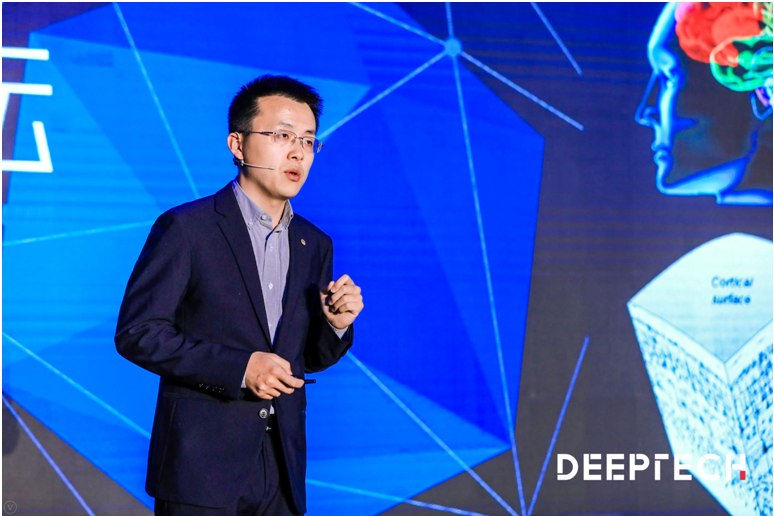
Figure | Associate Professor Kong Lingjie (Source: DeepTech)
Innovative figures in the field of life sciences in 2019
(Sorted by spelling initials of last name)
1. Cong Le, a researcher at the Broad Institute of MIT-Harvard University.

As one of the innovative scientists who brought CRISPR gene editing technology to the human gene world, Cong Le used CRISPR/Cas9 system to act on human and mouse cell genes for the first time, and revealed the application potential of related technologies in gene therapy, especially in the treatment of cardiovascular and cerebrovascular diseases and cancer. At present, Cong Le focuses on the research of single cell sequencing, genomics and systems biology, and combines with gene editing technology to explore the immunological mechanism of cancer and the development of therapies for cancer immune regulation.
2. Han Bicheng, founder and CEO of BrainCo and BrainRobotics.

As one of the innovative entrepreneurs who put brain-computer interface technology into commercial application, Han Bicheng founded BrainCo, a brain-computer interface technology company, while studying for a doctorate in brain science at Harvard University Brain Science Center.
. He founded a semi-public welfare project to manufacture intelligent prostheses for the disabled.
BrainRobotics, the product developed can help disabled people to control prostheses and fingers through their minds and realize flexible movement. At the same time, BrainCo’s team is developing the world’s first brain information processing chip combined with artificial intelligence algorithm.
3. He Ting, founder and CEO of Yimiao Shenzhou Medical Technology

As one of the innovative entrepreneurs who are committed to applying CAR-T technology and gene cell drugs to the treatment of malignant tumors, He Ting founded Beijing Yimiao Shenzhou Medical Technology Co., Ltd.. IM19, the company’s candidate CAR-T new drug product, has shown exciting efficacy in early clinical research, which is expected to greatly improve the treatment status of advanced hematological tumors.
4. Kong Lingjie, Associate Professor, Department of Precision Instruments, Tsinghua University.

As one of the innovative scientists focusing on method innovation, system design and integration in the field of neuroimaging, Kong Lingjie designed and developed a three-dimensional high-speed two-photon fluorescence microscopic imaging system, developed a deep tissue microscopic system based on adaptive optics, and participated in the research and development of the world’s first 1-billion-pixel imaging system with video frame rate, centimeter-level field of view and sub-micron resolution. Kong Lingjie’s research from "understanding brain" to "simulating brain" is not only an important technical support for China’s "brain project" in the future, but also a key link between brain science and the transformation of artificial intelligence.
5. Li Teng, founder and CEO of Beijing Lanjing Microbiology Technology Co., Ltd.
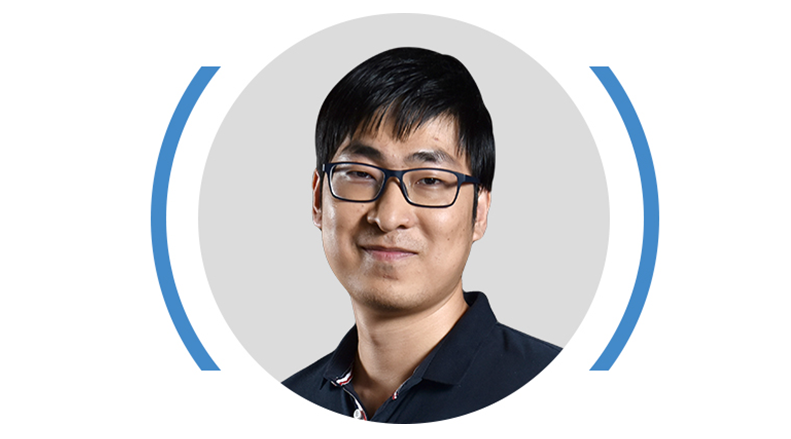
As one of the innovative entrepreneurs who applied synthetic biology technology to optimize life systems and develop new microbial products to solve ecological problems, Li Teng discovered a salt-tolerant and alkali-tolerant bacterium in Aiding Lake, Xinjiang, which greatly reduced the production cost of biodegradable polyhydroxy fatty acid esters (PHA). In addition, its leading team has developed a brand-new data management system.
Holog has improved the data and automation level of R&D process, established a soft and hard integrated laboratory, and greatly improved the engineering level of microbial synthesis.
6. Qi Lei, Associate Professor of Bioengineering, Stanford University

As one of the co-inventors of CRISPR gene editing technology in China and EU patents, Qi Lei upgraded the gene magic scissors CRISPR/Cas system to the "Swiss Army Knife" for the first time.
CRISPR-dCas, and based on this, it expanded its application, and successively invented the system based on CRISPR.
The gene switch (CRISPRi/a) enables the specific gene expression to be accurately turned on or off without introducing mutation. A series of CRISPR technologies invented by Qi Lei greatly expanded "genetic engineering" and then changed the definition of "genetic engineering".
7. Shao Yangyang, postdoctoral fellow, Institute of Plant Physiology and Ecology, Shanghai Institute of Life Sciences, Chinese Academy of Sciences.

As one of the innovative scientists who explored and analyzed the origin and evolution of eukaryotic cells through the "engineering" method of synthetic biology for the first time, Shao Yangyang participated in the creation of the world’s first single chromosome eukaryotic cell and achieved a milestone breakthrough in "artificial life". Shao Yangyang’s research provides a new idea for exploring the relationship between chromosome structure and function in higher organisms and a useful model for studying telomere-related aging and cancer.
8. Wang Yanli, researcher of Institute of Biophysics, Chinese Academy of Sciences, professor of Chinese Academy of Sciences.

As one of the innovative scientists who have made great breakthroughs in the field of CRISPR/Cas mechanism research, Wang Yanli’s research work mainly focuses on the mechanism of CRISPR/Cas system and RNA interference (RNA
Study on the structure and function of interference (RNA) related proteins. From 2014 to 2018, Wang Yanli team made great breakthroughs in the above research fields and made original and outstanding contributions to the mechanism clarification of CRISPR/Cas system.
9. Xie Dan, researcher at the State Key Laboratory of Biotherapy, Sichuan University.

As one of the innovative scientists who are committed to developing Qualcomm’s high-resolution single-cell multimethology composite sequencing technology and using single-cell sequencing technology to study tumor occurrence, development and transformation of non-invasive liquid biopsy diagnosis technology, Xie Dan has systematically studied various gene regulation mechanisms and differences in epigenetic spectra between genomes in the fields of multimethology data and bioinformatics, combining with the rapidly developing sequencing technology and machine learning methods, and revealed the molecular mechanism of gene regulation leading to trait differences and the corresponding relationship between human multimethology and diseases.
10. Zou Hao, founder and CEO of Qingying Medical

As one of the innovative entrepreneurs who introduced the "advanced version" of artificial intelligence technology into the medical field and trained a high-sensitivity and high-stability medical data analysis system with small-scale data sets, Zou Hao, who was born in Tsinghua "Yao Ban", devoted himself to exploring the deep application of artificial intelligence in medical imaging and big data health. Qingying Medical, founded by Qingying Medical, has cooperated closely with many top clinical hospitals in China during its growth for just over a year, and has become an innovative example of cross-border integration of medical industry and artificial intelligence technology in start-ups.
(Editor: Cui Chen HX015)