Suddenly realized! This is the real reason why the United States "likes" Japanese wastewater.
Not long ago, the Japanese government officially decided to discharge more than 1 million tons of nuclear waste water into the Pacific Ocean. Most people, including Japanese nationals, strongly oppose the decision of the Suga Yoshihide government for fear that radioactive substances in the water will have an impact on the marine environment.
The United States, however, is "picturesque". Not only did Secretary of State Blinken not object, but also "praised" Japan on Twitter, expressing "gratitude to Japan for its open and transparent efforts in deciding to deal with the water treatment problem of Fukushima Daiichi nuclear power plant".
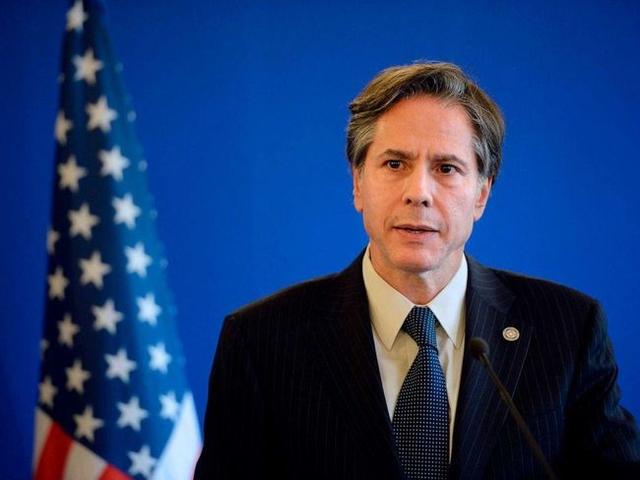
Many people speculate that this is because the United States and Japan have reached an agreement to maintain the "United front", which has made the United States, which has been active in the world as an "environmental enthusiast", wipe its old face and support Japan’s environmental damage.
However, as a number of American media recently revealed that their country had dumped a large amount of DDT pesticide waste into the Pacific Ocean and concealed the facts for decades, everyone suddenly realized:
The United States itself is not clean, and it is the same as Japan.
According to media reports such as Los Angeles Times, Associated Press and CBS, American marine scientists found more than 27,000 barrels of waste containing DDT in the sea floor near Southern California.
The name DDT is no stranger.
In 1939, DDT was successfully synthesized by German scientists for the first time. In 1948, Swiss chemist Paul Hermann Müller won the Nobel Prize in Physiology/Medicine for discovering the insecticidal effect of DDT.
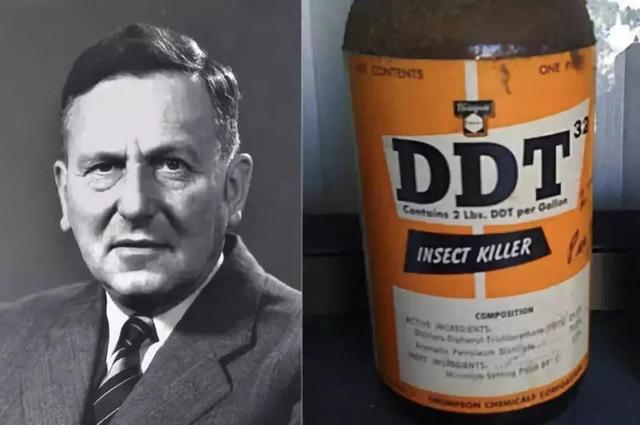
DDT is simple in production, cheap in price, excellent in effect and easy to store. Since it went on the market, it has been widely used in agricultural pest control and prevention of malaria transmission.
At that time, because it can effectively kill mosquitoes, flies, lice, fleas and other pests, it curbed the epidemic of cholera, typhus and other diseases in Europe, and then successfully controlled the spread of malaria and encephalitis all over the world. DDT was even praised as the three major inventions during the Second World War along with penicillin and the atomic bomb.
However, in 1962, a biologist named rachel carson pointed out that DDT is extremely difficult to degrade, and it will be enriched in animal fat, and will be further superimposed along with the food chain until the concentration exceeds the tolerable range of organisms, which will eventually lead to cancer.
Since 1970, countries have gradually banned DDT and debated its toxicity, and then from 1996 to 2000, it was affirmed that DDT was harmful and it was planned to eliminate this product globally.
However, in this process, the companies that produce DDT in the United States have quietly discharged the toxic waste produced during the manufacture of DDT into the sea.
In 1979, the Central Hospital of Marine Mammals in Sosalito, California, found that a quarter of the adult sea lions in the nearby waters were afflicted with cancer. After a long period of investigation, it was found that DDT was found in the fat of most sea lions with cancer.
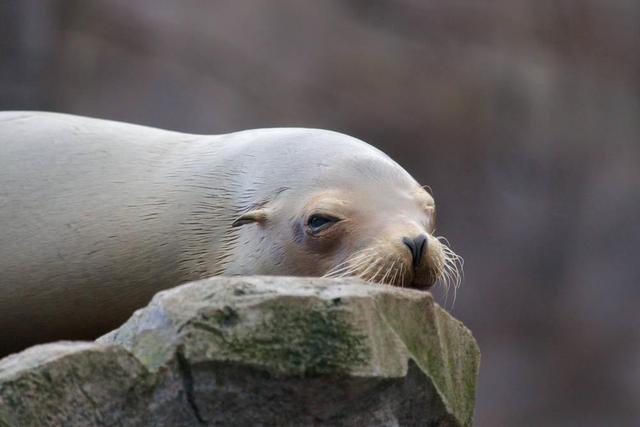
The largest DDT producer in the United States, montrose Chemical Company, is located in the place where these sea lions are endangered.
From 1947 to 1982, this company produced a lot of toxic wastes in the process of producing DDT. No one knows where these wastes went.
Only some past shipping logs show that factories in southern California once regarded this sea area as a "garbage dump" that could be dumped at will, but it has not been confirmed, and no one has ever found the exact location of these pollutants.
Until March of this year, researchers at the University of California, San Diego discovered more than 27,000 "barrel objects" in this sea area by using underwater drones. The researchers immediately remembered those rumors about shipping logs.
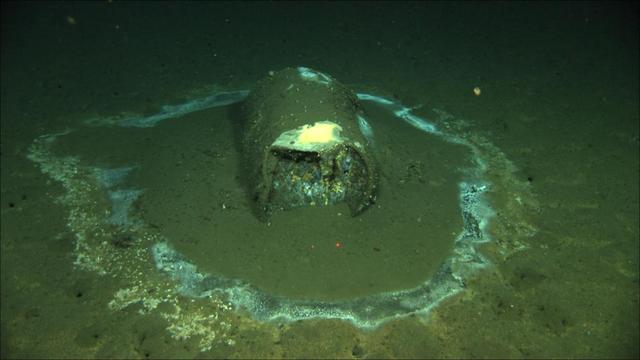
The existence of these barrels means that what is said in the transportation log is very likely to be true.
According to the transportation log, the dumping of DDT waste in the Pacific Ocean by the United States is not an accidental event, but a long process that lasts for decades.
These iron drums have long lost their sealing function after long-term corrosion by seawater. Not only that, the log records also show that if an iron drum is not full and cannot sink by itself, the crew will take the initiative to split the iron drum and let it sink freely.
In fact, as can be seen from the photos taken back, there are obvious traces of artificial digging on the storage barrel.
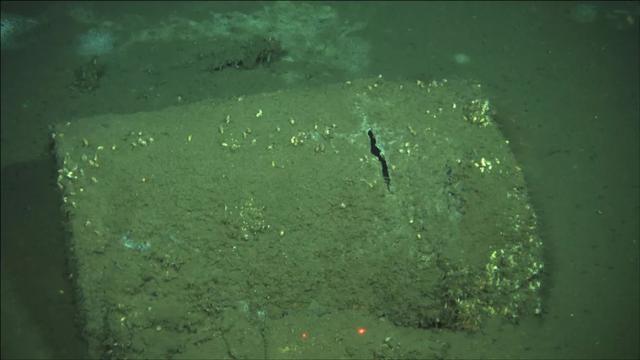
The researchers sampled and analyzed the nearby sediments and found that the DDT concentration here far exceeded the threshold set by the National Oceanic and Atmospheric Administration of the United States, and the pollution level in one place even reached 40 times the threshold.
After further investigation, the researchers estimated that about 350 to 700 tons of DDT were dumped into the ocean.
Eric Trier, the chief scientist of the expedition and director of the Marine Physics Laboratory of the Scripps Institute of Oceanography, said that the sea area covered by pollutants was "amazing".
In the last century, the bald eagle, the "national bird" of the United States, almost went extinct. At that time, there was a view that it should be caused by DDT, but this giant DDT wastewater bucket "cemetery" was not found.
Now, it seems that many unexplained doubts before are probably related to DDT wastewater barrels in this sea area.
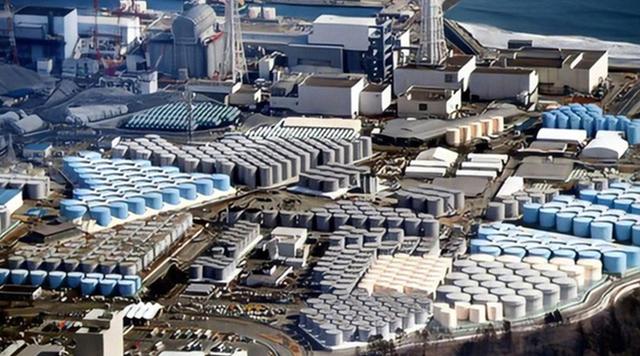
Long before Japan, the United States had done such a wicked thing as discharging pollutants into the sea. Not only did I do it, but I also kept it from the world for decades.
Perhaps this is the real reason for the United States to "thank Japan for its openness and transparency." (seal)