What do people aged 50-60 need to check when they go for a physical examination? This inspection should focus on
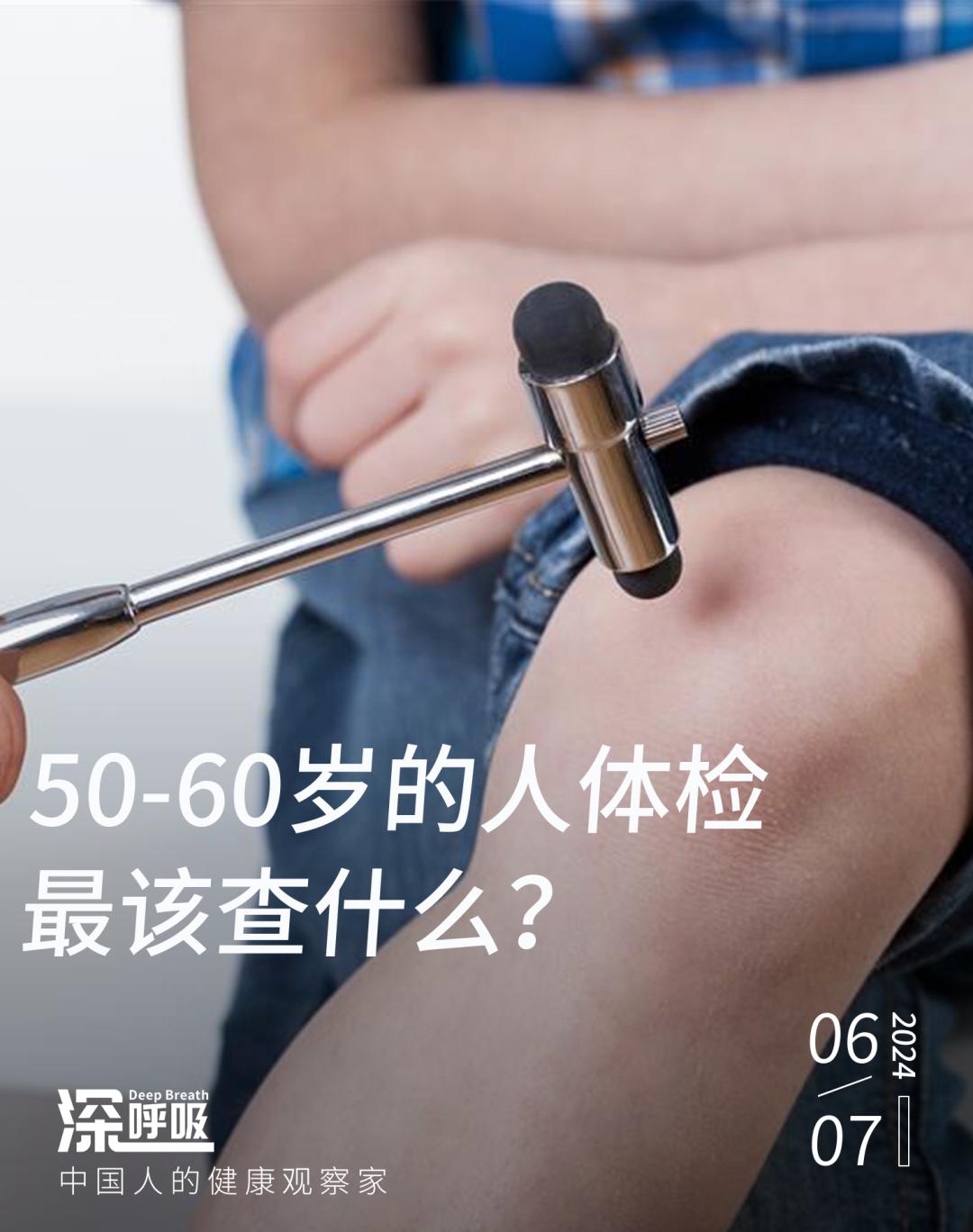
For elderly people, it is very important to have a regular physical examination every year. Similarly, it is also important to check what items. Experts pointed out that over 50 years old, in addition to routine mandatory items, personalized special physical examination items should be added according to physical condition, and appropriate "additions" should be made.
After 50 years old, there are many more items to check. Today, let’s talk about how people aged 50-60 choose physical examination items.
01
Basic project, focusing on cardiovascular and cerebrovascular diseases.
The first is the basic items, which everyone must do in physical examination, including weight, pulse, blood pressure, blood routine, urine routine, liver function, renal function, electrocardiogram and so on.
Check type
inspection item
general inspection
height
weight
blood pressure
Laboratory examination
Routine hematuria and feces
Blood lipid and blood glucose
Liver and kidney function
Medical technical examination
electrocardiogram
chest radiograph
Ultrasound, etc
Basic inspection items
People over 50 years old, due to the decline of various functions of the body, many diseases are prone to occur at this time, especially the examination of cardiovascular and cerebrovascular diseases.
In the basic physical examination items, it is suggested to focus on ECG, blood lipid, blood pressure, blood sugar, uric acid, stool routine+occult blood, etc.
Many people only do fasting blood sugar during physical examination, but do not test blood sugar 2 hours after meals, thus missing the diagnosis of diabetes and impaired glucose tolerance. Therefore, it is suggested that people over 50 years old, with a family history of diabetes, obesity and hypertension should check their fasting blood sugar and their blood sugar 2 hours after meals.
02
After the age of 50, screening should also be done for high-risk tumors.
For people over 50 years old, it is best to have a tumor screening once a year. It is suggested to screen some high-risk tumors such as thyroid cancer, lung cancer, liver cancer, gastric cancer, colorectal cancer, breast cancer, cervical cancer and prostate cancer. The main methods of tumor screening are: imaging, gastrointestinal endoscopy, tumor markers and so on.
If you have chest pain, chest tightness, palpitation and other symptoms, it is recommended to add color Doppler ultrasound, 24-hour dynamic electrocardiogram, and if necessary, carry out heart load test.
If you have a history of hypertension, it is recommended to add ambulatory blood pressure to understand the blood pressure control; Add fundus examination to understand the arteriosclerosis; In addition, cardiac color Doppler ultrasound and carotid vertebral artery color Doppler ultrasound are added to understand the heart structure, whether the cervical blood vessels are diseased and whether there are plaques.
If you usually have digestive symptoms such as epigastric distension and pain, nausea and vomiting, it is suggested to carry out gastrointestinal endoscopy and helicobacter pylori detection in order to find some precancerous lesions of gastrointestinal tract at an early stage.
If you are a diabetic, you should increase glycosylated hemoglobin, urinary microalbumin, fundus examination, cardiac color Doppler ultrasound, carotid color Doppler ultrasound and other tests to understand the recent blood sugar control and the damage of target organs.
After getting old, bone diseases should also be paid special attention to. Generally, calcium in bone begins to be lost in the thirties, but the initial symptoms of osteoporosis are unknown. Therefore, it is suggested that men over 50 years old and women over 45 years old should have bone mineral density and 25-hydroxyvitamin D examination. If osteopenia or osteoporosis is found, timely intervention can be made.
/Men aged 50-60/
Focus on the prostate and lungs
Men of this age should pay attention to the screening of prostate cancer, and it is suggested to increase the examination of prostate specific antigen (TPSA and FPSA). If you have a family history of prostate cancer, you need to start screening at the age of 45.
If you have a habit of smoking and a history of chronic obstructive pulmonary disease, it is recommended to have a low-dose spiral CT examination of the lungs every year.
If you have a history of smoking and hypertension at the same time, you need to be alert to abdominal aortic aneurysm. It is suggested that abdominal aortic color Doppler ultrasound should be performed to exclude abdominal aortic aneurysm and abdominal aortic dissection.
In addition to the basic items, the following items can be added to the physical examination of men aged 50-60.
Male aged 50-60, suggested physical examination items.
√ Lung CT (especially family history and smoking history)
√ Examination of prostate specific antigen (TPSA and FPSA)
√ Urinary ultrasound
√ Testicular ultrasound examination
√ Abdominal aorta color Doppler ultrasound
√ Gastroenteroscope
√ thyroid color Doppler ultrasound
√ Color Doppler echocardiography
√ Carotid artery and vertebral artery color Doppler ultrasound
√ ambulatory blood pressure
Helicobacter pylori breath test
√ glycosylated hemoglobin
√ fundus examination
√ BMD examination
√ 25 hydroxyvitamin D examination
√ Broad spectrum tumor markers (CEA, AFP, etc.)
Head magnetic resonance
/Women aged 50-60/
Pay attention to osteoporosis and gynecological diseases
Since the age of 50, women have a high incidence of osteoporosis, so we should pay attention to bone diseases.
In addition, women of this age should also pay special attention to the screening of gynecological tumors. It is suggested that gynecological TCT+HPV combined examination should be carried out to exclude cervical cancer, and breast color ultrasound combined with mammography should be carried out to screen breast cancer.
In addition to the basic items, the following items can be added to the physical examination of women aged 50-60.
For women aged 50-60, physical examination is recommended.
√ Breast color ultrasound
Mammary molybdenum target
√ Gynecological ultrasound
√ Cervical TCT (sexually active women)
√ HPV test (women who have sex)
√ Vaginal color Doppler ultrasound (women who have sex)
√ Gastroenteroscope
√ thyroid color Doppler ultrasound
√ Color Doppler echocardiography
√ Carotid artery and vertebral artery color Doppler ultrasound
√ ambulatory blood pressure
Helicobacter pylori breath test
√ glycosylated hemoglobin
√ fundus examination
√ BMD examination
√ 25 hydroxyvitamin D examination
√ Broad spectrum tumor markers (CEA, AFP, etc.)
Head magnetic resonance
【TIPS】
Matters needing attention in physical examination
1. Blood collection time should not be too late.
Physical examination requires fasting blood to be taken at 7: 30-8: 30 in the morning, and no later than 9: 00.
2. Precautions for diet and rest
1-3 days before the physical examination, the diet should be light, do not drink alcohol and overeat, try to avoid drinking strong tea, coffee and other stimulating drinks, and it is best to fast for 8-12 hours before the examination, and fast and water should be banned on the morning of the examination.
Pay attention to rest the day before the examination, avoid strenuous exercise and emotional excitement, and ensure adequate sleep.
3. Precautions for wearing
On the day of physical examination, it is recommended to dress lightly, and it is best to wear two-piece clothes. Women should avoid wearing jumpsuits or dresses, so as to facilitate the medical examination of internal and external surgeons.
It is recommended to wear light and easy-to-take shoes, and women should avoid wearing high boots and stockings. For height measurement, you need to take off your shoes to measure your net height, and for ECG examination, you need to clamp one ankle with a limb lead.
It is recommended not to wear metal ornaments and expensive ornaments on the day of physical examination, and do not wear contact lenses on the day of physical examination.
4. Special precautions for women
Unmarried women are forbidden to have transvaginal examinations such as vaginal B-ultrasound and colposcopy. Young and middle-aged women suggest that physical examination avoid menstrual period (because gynecological examination cannot be carried out during menstruation to avoid infection). Pregnant and suspected pregnant patients should inform the medical staff before the magnetic resonance examination.
Original title: "What do people aged 50-60 need to check when they go for a physical examination? This inspection should focus on "
Read the original text